Published
Jul 17, 2026Community Gatekeepers Trained to Champion Adolescent SRHR Through The “Conversations That MatterThe”(CtM)
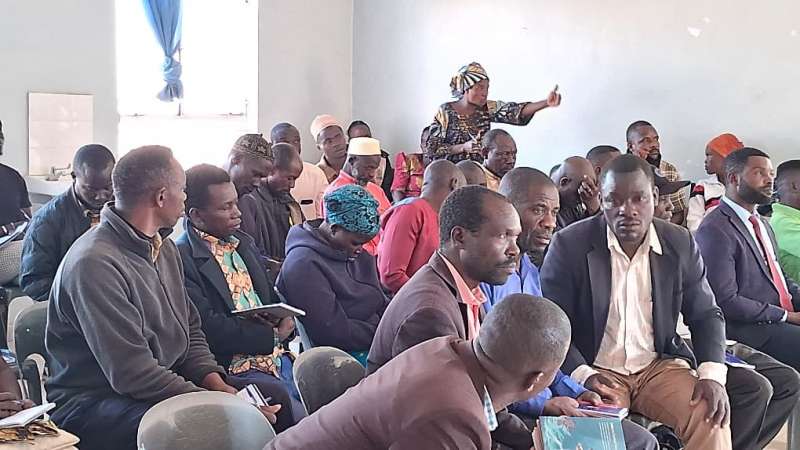
Traditional leaders, faith leaders, school heads, teachers, and other influential community figures from Dzaleka Refugee Camp and the surrounding host communities of Traditional authorities Msakambewa and Nkukula are undergoing a training on Sexual and Reproductive Health Rights (SRHR) and Gender-Based Violence (GBV), delivered using the Conversation that Matters (CtM) approach.
The training was organised by OSSEDI Malawi, in partnership with Plan International Malawi and facilitated by qualified officers from the Ministry of Health, Dowa District Health Office, under the Empowering Youth in Action (EYA) Project.
Restrictive traditional norms, stigma, and negative attitudes among some service providers and community structures continue to limit young people's access to SRHR information and services, contributing to unintended pregnancies, unsafe abortions, child marriages, sexually transmitted infections, and gender-based violence. Because traditional and religious leaders, teachers, and other gatekeepers hold significant influence over community norms and adolescent access to services, engaging them directly was identified as a critical entry point for lasting change.
Rather than relying on lecture-style delivery, the training is using the Conversation that Matters (CtM) methodology, a participatory, values-based approach that guides participants through facilitated dialogue, case scenarios, and reflection. This creates a safe, non-judgemental space for gatekeepers to examine their own attitudes towards adolescent SRHR before being equipped to lead similar conversations in their own communities. Participants include village chiefs and traditional leaders, faith leaders from churches and mosques, school heads and teachers, husbands and male partners, mothers-in-law and senior women who influence household decisions, and youth leaders and peer influencers, reaching a total of 160 participants across the target communities.
Over the course of the training, participants are expected to strengthen their understanding of adolescent SRHR needs, GBV risks, and the local referral pathway; build skills to facilitate open, non-judgemental conversations on SRHR and GBV with adolescents, parents, and peers; confront harmful cultural norms, myths, misconceptions, and toxic masculinities that restrict adolescent SRHR access and drive GBV; and develop practical, community-level action plans to advocate for and support youth-friendly SRHR services. By the end of the training, gatekeepers will have the skills and knowledge to explain the principles of SRHR, recognise the changes adolescents experience, communicate respectfully with young people, identify and respond to SRHR concerns, and act as community advocates who protect adolescents' rights and promote safer, more supportive environments, including a clear understanding of safeguarding principles and survivor-centred referral approaches.
This training is part of a broader effort under the Empowering Youth in Action (EYA) Project, implemented by OSSEDI Malawi in partnership with Plan International Malawi, to strengthen the capacity of community-based structures to support adolescent SRHR and GBV response in Dzaleka Refugee Camp and host communities. Given the scale of participation targeted, the training is being delivered in cohorts across multiple sessions. By investing in the people communities already trust and listen to, OSSEDI Malawi and its partners are working to ensure that adolescents and young people in Dzaleka and the surrounding host communities grow up informed, protected, and supported.